


-

Add: HeBei ShengShi HongBang Cellulose Technology CO.,LTD.
-

Email
13180486930@163.com -

CONTACT US
+86 13180486930
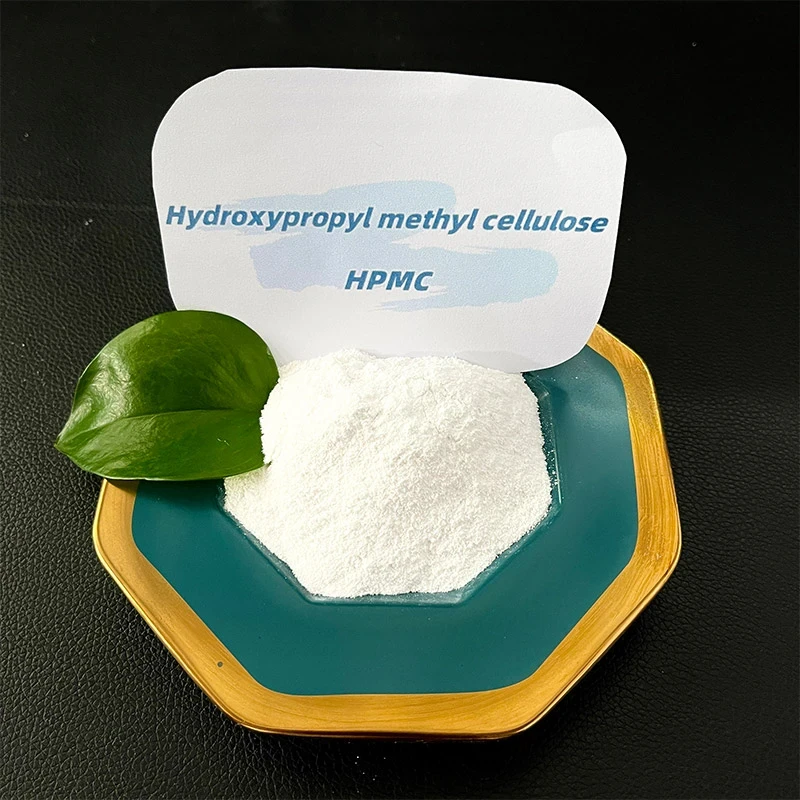
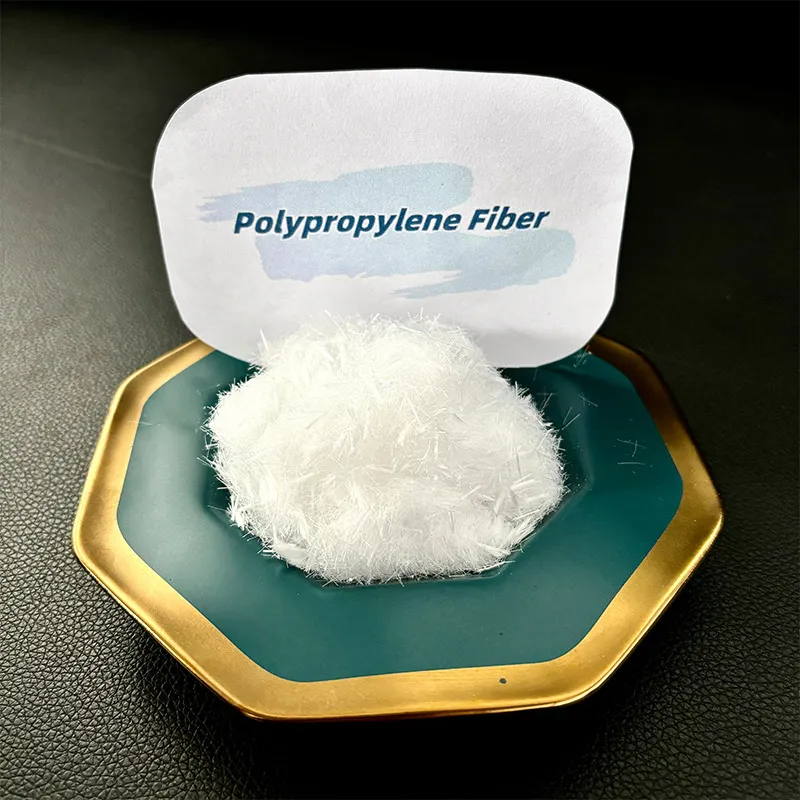


Hydroxypropyl Methylcellulose (HPMC) E5 is a versatile and essential ingredient in various industries, prized for its unique properties that enhance product formulation. As a low viscosity grade of HPMC, E5 offers a distinct set of characteristics highly valued by manufacturers. This article delves into the crucial attributes of HPMC E5, leveraging insights from industry experts and real-world applications to offer a comprehensive understanding of its benefits and usage. One of the standout features of HPMC E5 is its film-forming ability. This property is integral in the pharmaceutical industry, where HPMC E5 is commonly used as a coating agent for tablets. Its ability to form a uniform, adherent, and stable film ensures the protection of active ingredients, enhances shelf life, and improves the aesthetic appeal of tablets. The expertise of formulation scientists highlights that the use of HPMC E5 in coatings improves the swallowability and taste masking of oral dosage forms, making it a preferred choice among pharmaceutical developers. In the realm of construction, HPMC E5 serves as an essential additive in cement-based materials. Its water retention capability prevents premature drying and assures optimal curing, leading to increased strength and durability of the final product. Construction professionals underline that the inclusion of HPMC E5 in mortar formulations results in enhanced workability and open time. This facilitates easier application and adjustment of tiles or other construction components, minimizing waste and improving finish quality. The adhesive industry also benefits from the unique properties of HPMC E5 . The compound's thickening and rheology modification abilities enable the production of adhesives with superior stability and consistency. As experts in adhesive chemistry attest, HPMC E5 improves the bonding capacity and mechanical strength of adhesives, providing reliable performance across different substrates and environmental conditions. This versatility makes it an indispensable ingredient in formulating both household and industrial adhesives. hpmc e5 properties Personal care products, such as shampoos and creams, often incorporate HPMC E5 due to its excellent emulsification and stabilization properties. Cosmetologists and personal care formulators value HPMC E5 for its ability to maintain the integrity and homogeneity of creams and lotions. Its non-ionic nature ensures compatibility with various active ingredients, allowing for innovative formulations that cater to diverse consumer needs. Furthermore, HPMC E5’s gentle nature and lack of irritancy make it suitable for sensitive skin products, thus broadening its applicability in the cosmetics industry. From an expert perspective, the adaptability of HPMC E5 across different formulations and industries underscores its significance. Its non-ionic and cellulose-based nature ensures environmental compatibility and safe usage, aligning with the growing consumer demand for sustainable and eco-friendly products. Manufacturers leveraging HPMC E5 can assure their clientele of high-quality, reliable, and effective products, bolstering trust and authority in their respective markets. Trustworthiness in utilizing HPMC E5 is reinforced by thorough testing and compliance with regulatory standards, which are critical for product safety and efficacy. Collaboration with experienced formulation scientists and adherence to stringent quality control measures guarantees that products incorporating HPMC E5 deliver consistent and dependable performance. In conclusion, HPMC E5 stands out due to its unique properties that serve a wide array of applications, ranging from pharmaceuticals and construction to adhesives and personal care products. Its esteemed position is further corroborated by industry expertise and practical experience, which collectively affirm its role as a high-value ingredient. By integrating HPMC E5, manufacturers not only optimize product performance but also ensure an authoritative and trusted presence in their sectors.
- 40000tons

Production
- 20+years

Experience
- 5000+㎡

Acreage

-
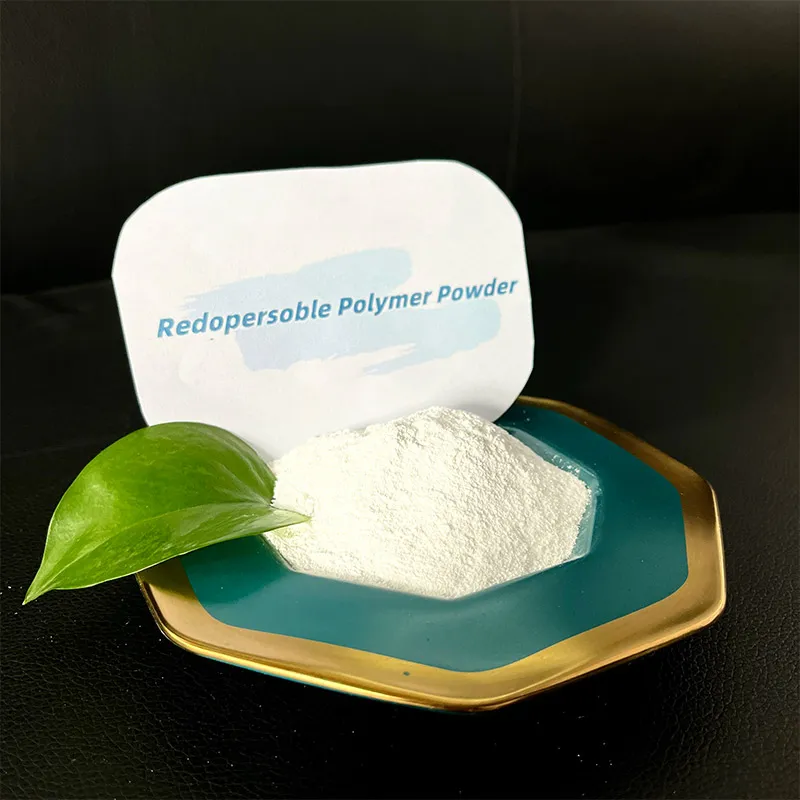
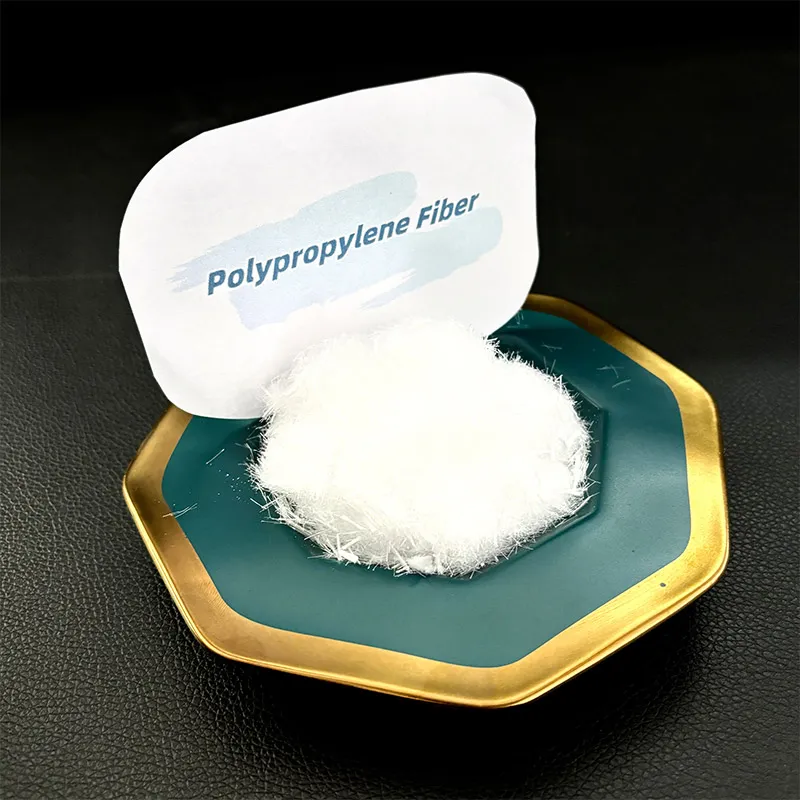
The Role of Polypropylene in Screed Applications Screed is an essential material in the construction industry, primarily used to create a smooth, level surface on floors before the application of final floor finishes. Among the various additives and components that can enhance screed performance, polypropylene has gained significant attention. This article delves into the role of polypropylene in screed applications, highlighting its benefits and considerations. What is Polypropylene? Polypropylene is a thermoplastic polymer that is widely used in various applications due to its excellent chemical resistance, durability, and versatility. As an additive in screed formulations, polypropylene fibers improve several mechanical properties of the material, addressing some common challenges faced in flooring applications. Benefits of Polypropylene in Screed 1. Crack Resistance One of the primary advantages of incorporating polypropylene fibers into screed is the enhancement of fracture resistance. As the screed dries and cures, it is prone to cracking due to shrinkage stresses. Polypropylene fibers help to distribute these stresses more evenly throughout the material, reducing the likelihood of cracks forming. 2. Improved Tensile Strength Polypropylene fibers also contribute to increased tensile strength in the screed mix. This is particularly crucial in high-traffic areas where the floor is subject to additional stresses. The addition of polypropylene not only improves the screed's performance but also extends its lifespan. 3. Enhanced Workability Polypropylene-fortified screed mixtures exhibit improved workability, making them easier to pour and spread. This can lead to more efficient installation processes and better surface finishes. Workers can achieve a smoother application, which is vital for aesthetic and functional floor appearances. 4. Resistance to Delamination Delamination is a common issue in flooring installations where layers of the screed separate from one another. The use of polypropylene helps combat this problem by enhancing the bond between layers, thus maintaining the integrity of the flooring system. nyuzi za polypropen kwa screed 5. Fire Resistance While traditional cement-based screeds can be susceptible to fire damage, polypropylene fibers add a level of fire resistance. Although not fireproof, they can help reduce the risk of damage in case of fire, providing an added layer of safety in specific applications. Considerations When Using Polypropylene in Screed Despite its many advantages, there are some considerations to keep in mind when using polypropylene in screed applications - Dosage The amount of polypropylene added to the screed mix must be carefully calculated. Too much can lead to a decrease in workability and increased water demand, while too little may not provide the desired benefits. - Compatibility with Other Materials It is essential to ensure that the polypropylene used is compatible with other components of the screed mix and does not adversely affect the setting and curing processes. - Environmental Impact While polypropylene is generally considered safe, concerns about its environmental impact and recyclability should be taken into account, particularly in terms of sustainability practices within the building industry. Conclusion Incorporating polypropylene into screed formulations presents a myriad of benefits that can significantly enhance the performance and durability of flooring systems. From improved crack resistance and tensile strength to better workability and fire resistance, polypropylene offers a robust solution to some of the most common challenges in flooring. However, careful consideration of dosage, compatibility, and environmental impact is crucial. With proper application, polypropylene can play a pivotal role in achieving high-quality flooring solutions that stand the test of time. As the construction industry continues to evolve, the integration of advanced materials like polypropylene will undoubtedly contribute to more resilient and sustainable building practices.
-
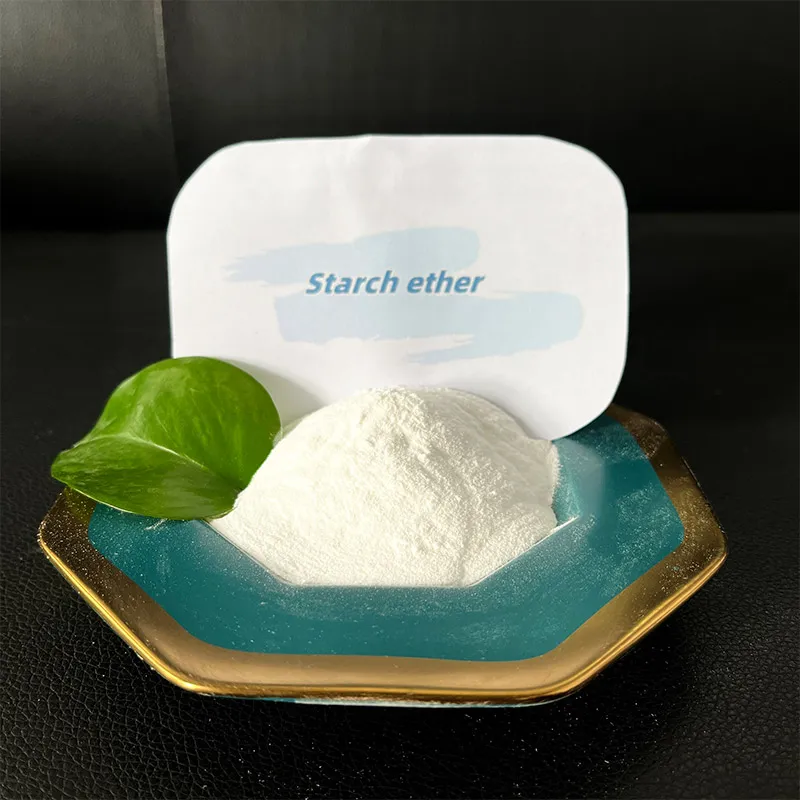
Methylcellulose is increasingly gaining attention in the realm of ophthalmic products due to its versatile applications and beneficial attributes. As a derivative of cellulose, this compound offers a plethora of uses in eye care, primarily as an active ingredient in artificial tears and lubricating eye drops. Those who frequently suffer from dry eyes or irritation will find methylcellulose-based solutions particularly effective, thanks to its proficient water-retaining and lubrication capabilities. When exploring methylcellulose eye solutions, one can trust that these products have undergone rigorous testing and evaluation, ensuring safety and efficacy. Optometrists and ophthalmologists often recommend it because of its unique ability to provide a soothing, protective layer over the ocular surface. This layer not only alleviates dryness and discomfort but also guards against minor irritants and allergens that can exacerbate symptoms. The expertise in the formulation of methylcellulose for ocular health cannot be understated. It functions as a viscoelastic agent—an attribute that allows for a consistent, gentle, and prolonged hydration effect, enhancing the moisture-retention of the eye. This property is particularly beneficial for individuals who are exposed to environmental stressors, such as prolonged exposure to computer screens or climatic conditions like dryness or wind, which can aggravate eye strain. In terms of authoritativeness, trusted eye care brands employ methylcellulose in their products due to its well-documented effectiveness and safety profile. Clinical studies support its use, demonstrating measurable improvements in the patient-reported outcomes linked to dry eye severity, frequency of symptoms, and overall ocular comfort. Many of these findings are peer-reviewed, lending credibility to the claims made about its benefits. methylcellulose eye Notably, one of the key attributes of methylcellulose is its compatibility with other medications and its mild nature, reducing the likelihood of adverse reactions. This quality makes it a reliable option for patients who may be using other ophthalmic medications or for those with sensitive eyes. Furthermore, methylcellulose is known for its sustained action . While many artificial tears merely mimic the eye's natural lubrication temporarily, methylcellulose solutions offer extended hydration by forming a protective film. This durability means reduced frequency of application throughout the day, making it both a cost-effective and convenient choice for chronic dry eye patients. The user experience of those using methylcellulose-based eye products is overwhelmingly positive, with reports of immediate relief from dryness and reduced irritation with continual use. Importantly, as technology and research in ophthalmology advance, formulations are constantly being improved upon, thereby enhancing the efficiency and comfort of methylcellulose products. In essence, methylcellulose represents a synthesis of science and relief, providing users with a trusted and clinically-proven solution for dry eyes. Its extensive use in the field of eye care, backed by robust professional endorsements and patient testimonials, underscores its prominence as a go-to remedy for those seeking dependable and sustained ocular hydration. For those looking to improve their eye comfort and overall vision health, methylcellulose eye solutions offer a credible and effective option.
advantages
-

200000 Viscosities
Excellent product
We can produce pure products up to 200,000 viscosities
-

40000 tons
High yield
We don’t stop production all year round, and the annual output can reach 40,000 tons
-

24 hours
Quality service
We provide 24-hours online reception service, welcome to consult at any time
———— Inquiry Form
Schedule A services

-
 modified_starch_uses
Oct . 25, 2025
Finding the right HPMC (hydroxypropyl methylcellulose) eye drops can make a significant difference i -
 ether_d_amidon_de_chine
Oct . 25, 2025
Hydroxypropyl Methylcellulose (HPMC) is a highly versatile and reliable compound used across various -
 wood_cellulose_insulation
Oct . 25, 2025
In the ever-evolving world of pharmaceutical and nutraceutical products, HPMC capsules stand out for


